
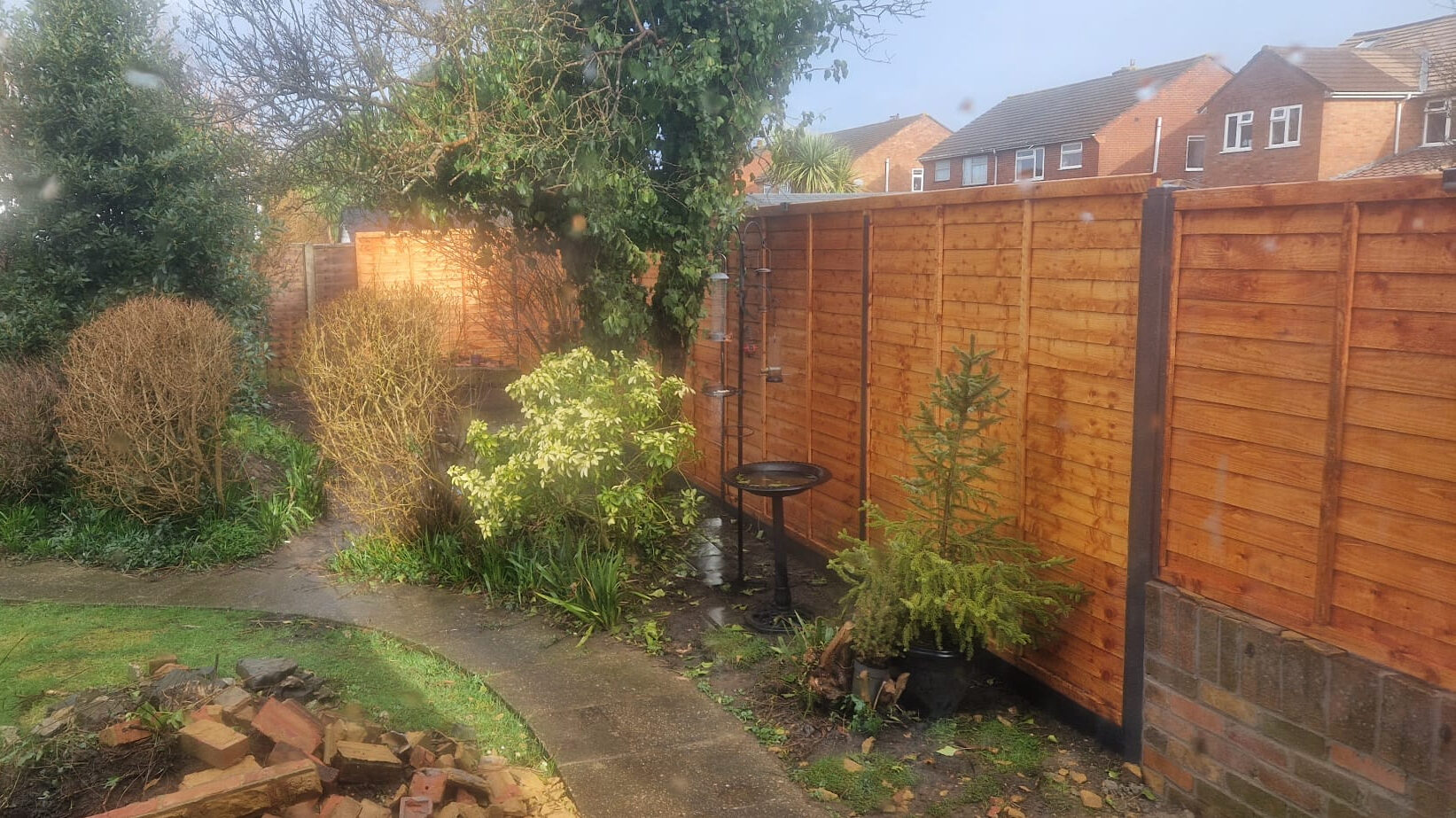
When we took on this 1970s fixer-upper, the boundary was barely there.
Apparently it had disappeared many moons ago, but by the time we moved in there was no wall at all. Some of the plants on our side had also been hacked back to say the least.
Our seller explained that the neighbour had previously taken the wall down with promises of replacing it, but nothing had ever gone back up.
For us, this boundary needed to happen quickly and it needed to happen properly.
Why It Mattered
Until this wall was built, Rock could not step into the garden unsupervised. There was no physical divide between us and our neighbours.
This DIY project, which began in February 2025, quickly became about far more than privacy. It became about safety, structure and creating a secure space for our family, our pets and the future we are building here in Surrey.
Rock was not particularly fond of evening bathroom breaks with an escort, and to be honest Superman was not too fond of the arrangement either with everything else already happening around the house.
For the first time since moving in, we were finally beginning to reclaim a small piece of stability while the rest of the renovation still felt uncertain.
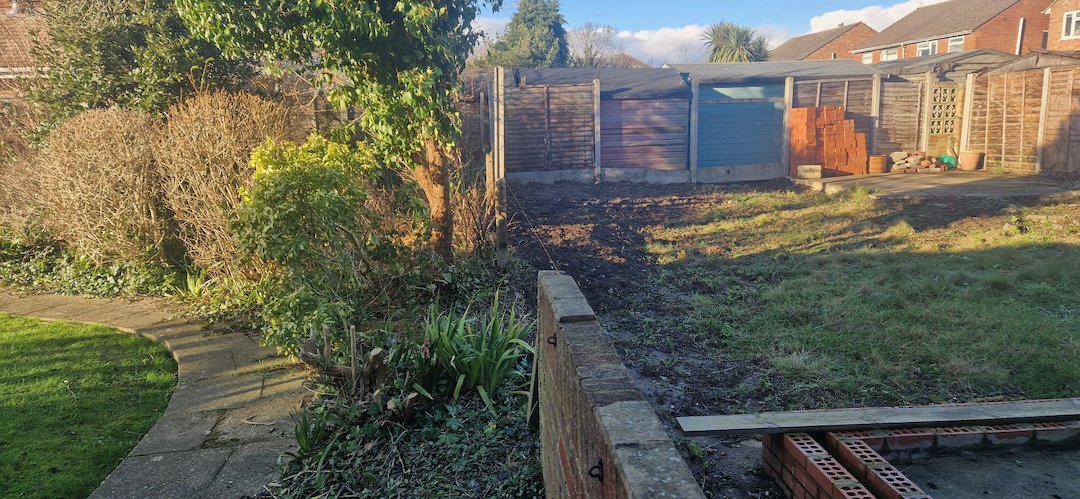
Garden Boundary Before Fence Installation
Before the build began. An undefined garden boundary, overgrown planting and years of accumulated neglect waiting to be transformed.
The Reality of Building It
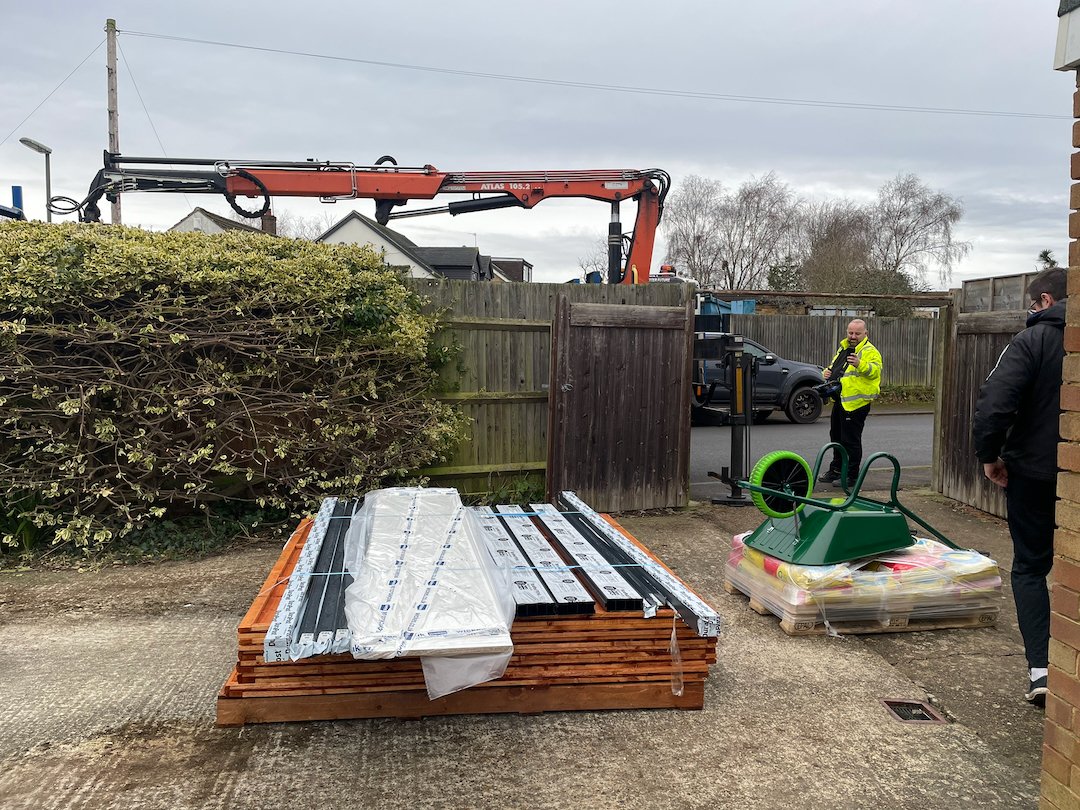
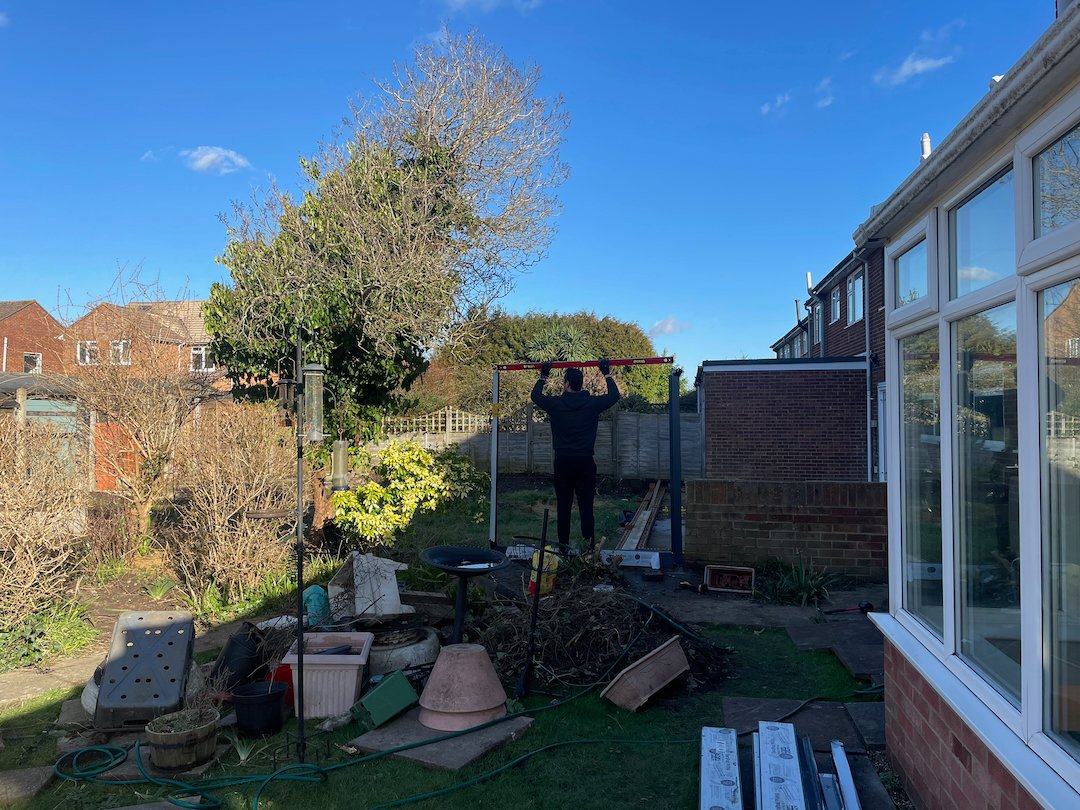
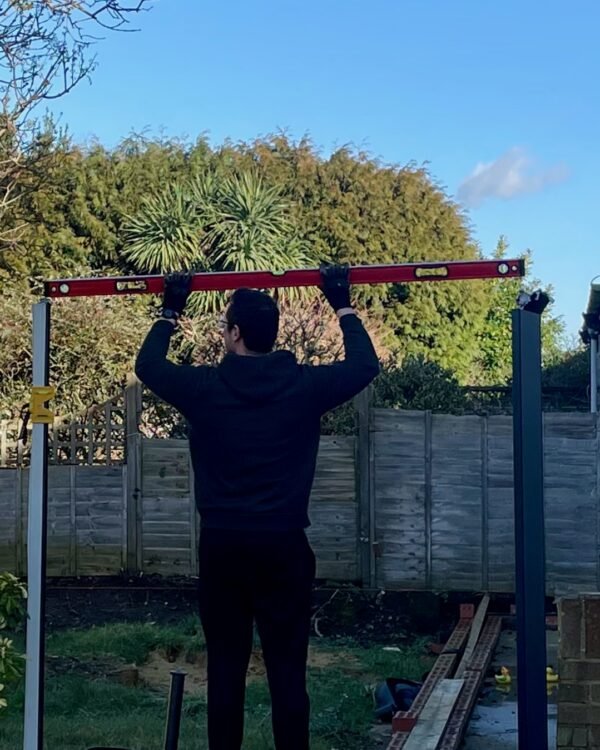
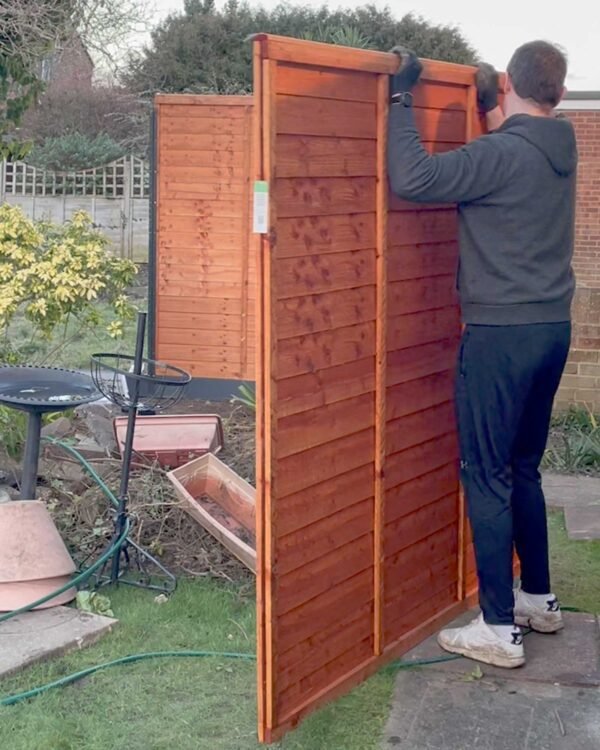
Superman took the lead on this project. The muscle, the maths, the material orders and the heavy lifting all landed squarely on his shoulders.
The first step involved clearing years of overgrown brush, thorny weeds, old planters, broken concrete, random clothing finds and remnants of old metal fencing that had long since given up.
Most mornings started with frozen hands, muddy boots and coffee balanced on fence panels before school drop-offs began.
This was never going to be a quick cosmetic fix. We wanted something durable, clean and built to last alongside the house itself.
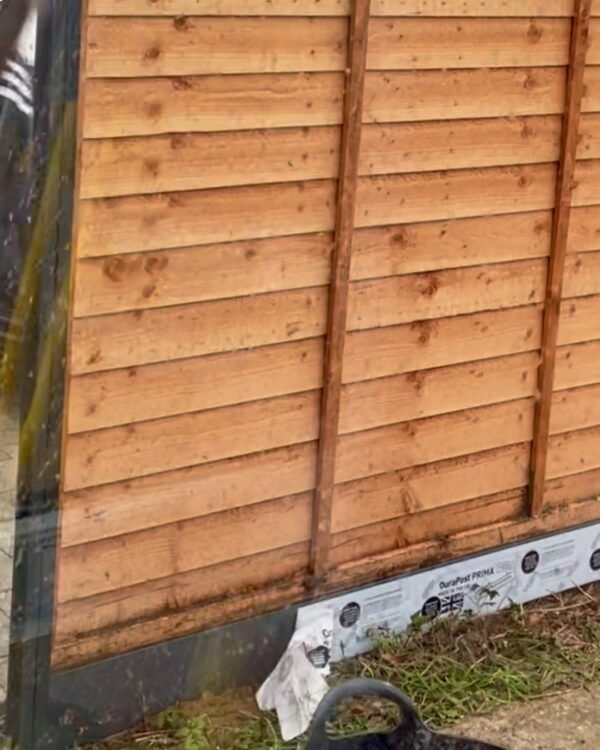
After a lot of research, we chose the DuraPost Steel Anthracite Grey fencing system. By moving away from traditional timber posts, we traded short-term patchwork repairs for long-term structural integrity and a much cleaner finish overall.
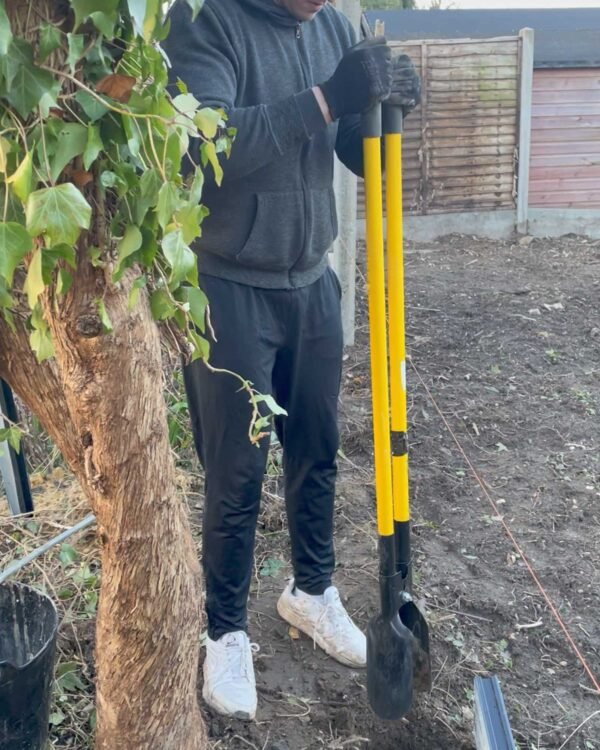
The Surrey clay certainly did not make things easy, especially during cold February mornings, but slowly the framework started taking shape one post and one panel at a time.
The Scale of It
What started as “just a fence” turned out to be rather more ambitious than we first realised.
By the time everything was finished, we had installed roughly 42 metres of DuraPost fencing around the property. Around 30 metres ran from the side gate to the rear corner of the garden, with another 12 metres extending from the side gate towards the road.
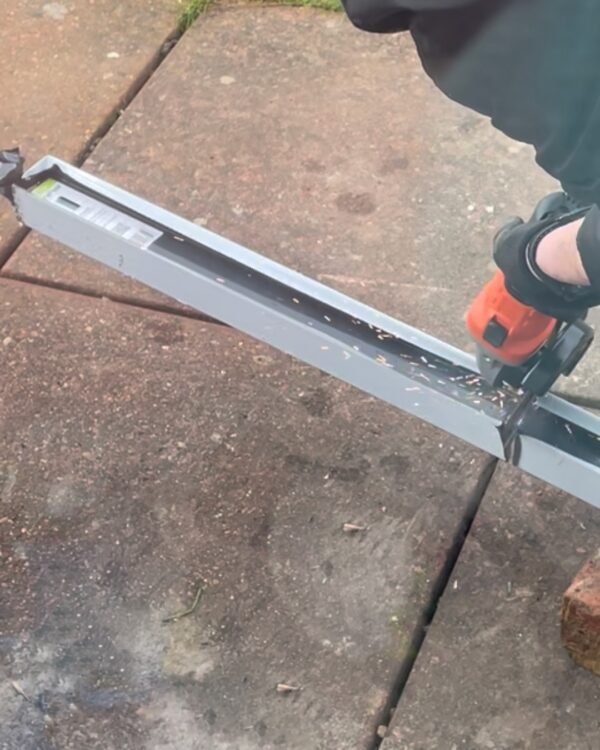
The final stretch wasn’t straightforward either. Around ten metres sat on top of an existing half-height brick wall that needed repairing and partially rebuilding before anything new could go on top. One section had to be knocked back and rebuilt altogether to bring everything into line. Superman then cut down and bolted a timber fence post directly onto the repaired brickwork, creating a solid fixing point for the final stretch of fencing above the wall.
Before Superman decided to tackle it himself, we did what most sensible people do and asked for quotes.
The results were fairly eye-opening.
For just the rear section of fencing, roughly 32 metres, the quotes came back at £3,400 and £4,500.
Getting the quotes almost felt harder than building the fence.
Calls went unanswered, appointments got postponed and more than once it felt like nobody actually wanted the job.
Maybe everyone was busy. Maybe February mud wasn’t particularly appealing. Either way, by that point Superman had already started researching how to do it himself.
The Result
By the time the final panel slid into place, the transformation felt bigger than the fence itself.
For the first time since moving in, the garden felt like ours.
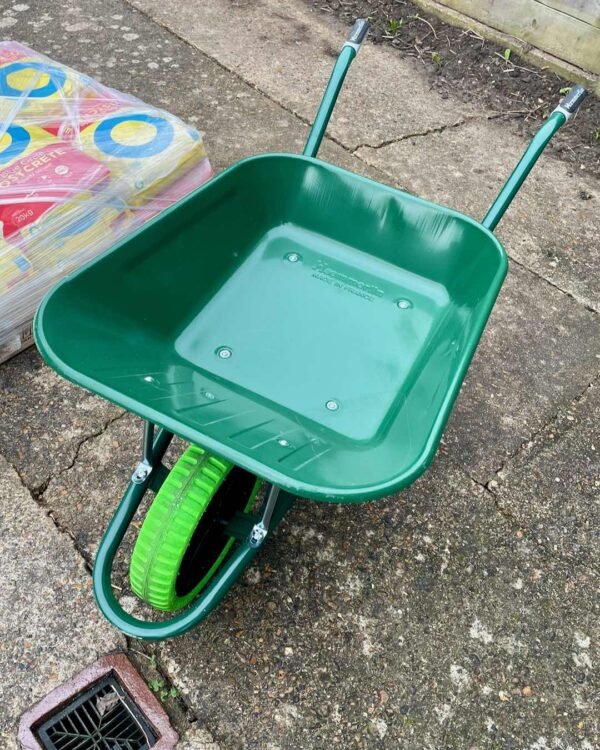
Behind that feeling sat 42 metres of new boundary, dozens of post holes, countless wheelbarrows of debris and more cups of tea than we could reasonably count.
Rock could finally explore without supervision. Needle had a secure boundary to patrol. The children suddenly had space to play without us constantly worrying about where the garden ended.
What had started as an overgrown and undefined edge of the property became something much more important: a framework around family life.
Looking back now, this was the first project that genuinely made the house feel different. Not prettier. Not finished. Just more secure, more settled and more like home.
More Than Just a Fence
Documenting this process reminded me that every major transformation starts with gritty foundations like these.
The cold wet days, fitting work around school drop-offs, midwife visits and trying to keep life moving while the house itself still felt chaotic. This was never just about building a fence.
It was the first real step in reclaiming our space.
In many ways, this fence became the first visible sign that the house was finally beginning to change.
While the rest of the house still felt uncertain, this boundary represented progress we could physically see taking shape.
One panel at a time, the organized chaos is finally beginning to feel a little more like home.
Lessons Learned
Looking back, there are a few decisions we’d make exactly the same way again.
(And yes, I say “we” generously here. At the time I was six months expecting, so let’s be honest, Superman was responsible for approximately 99% of the heavy lifting while I provided moral support, tea deliveries and project supervision.)

Build the structure first.
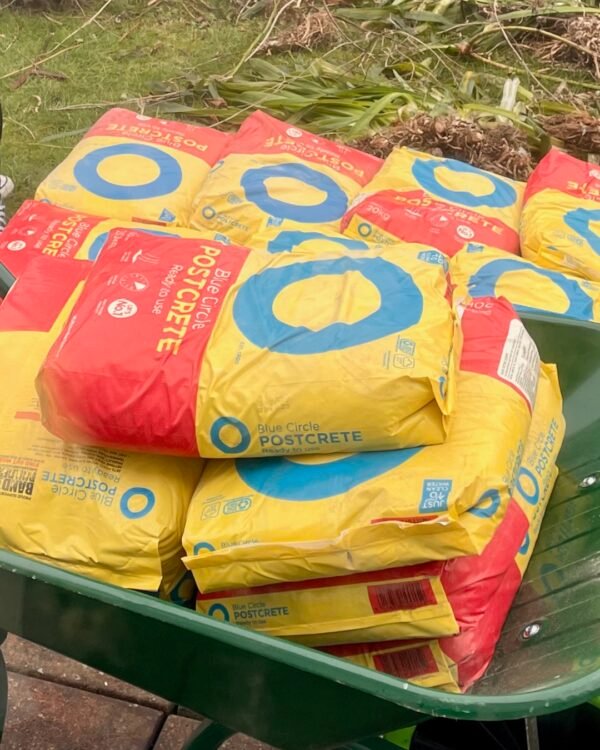
The panels are what everyone notices, but the posts are what do the hard work. We knew from the start that we didn’t want traditional concrete posts. We’d already spent enough time wrestling old ones out of the ground to know we had no desire to repeat the experience in another twenty years.
Expect the clearing to take longer than the build.
The fencing itself was only part of the project. Before a single post could go in, years of overgrowth, old materials and forgotten debris had to come out. The transformation really started with clearing space rather than building anything new.


Think beyond today.
At the time, we needed a safe garden for all of us, including Rock and Needle. But good renovation decisions tend to outlast the immediate problem. We wanted a boundary that would still make sense years from now as the house, garden and family continue to evolve.
Like so many projects on this renovation, the fence was never really about the fence.
It was about creating a little more certainty in the middle of a very uncertain season. While much of the house still felt unfinished, this was one problem we could finally put behind us.
Sometimes the most meaningful improvements are not the ones people notice first. They’re the ones that quietly make everyday life work better.
Reporting from the dust,
xo Lois
Project Resources
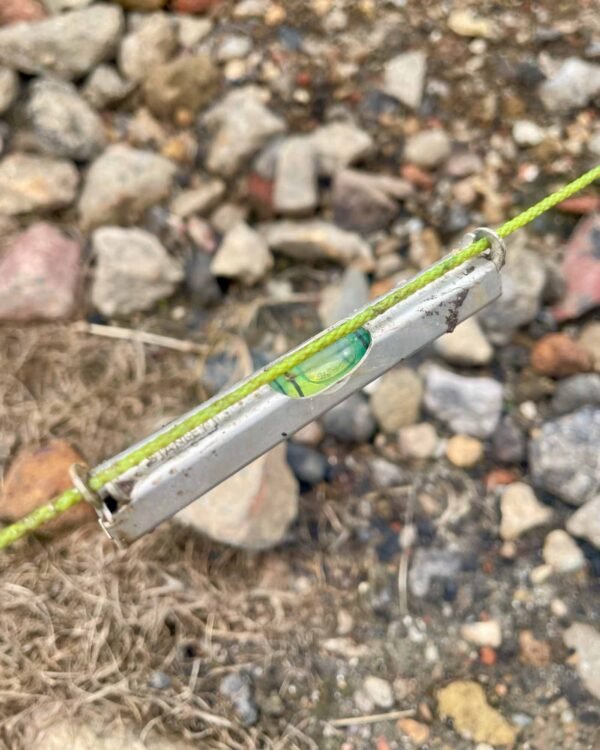
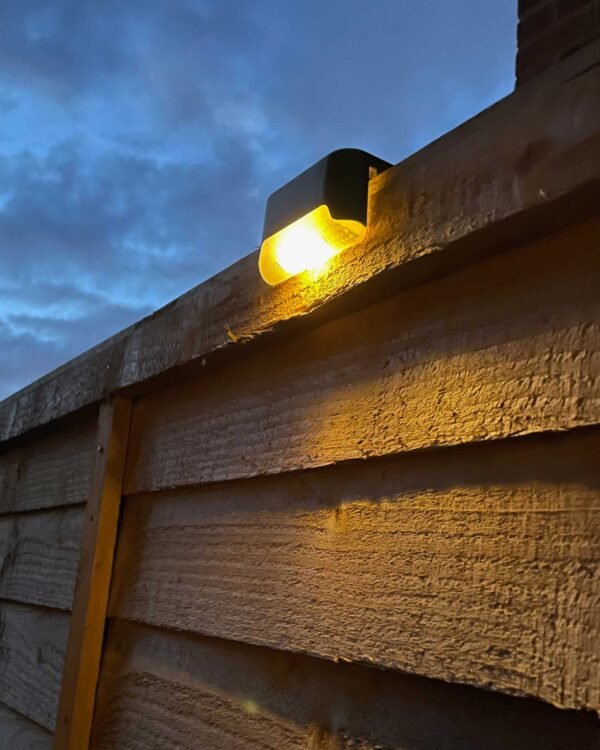
For those who have asked what we used, here are some of the tools, materials and finishing touches that helped transform more than 42 metres of neglected boundary into something secure, practical and built to last. Click each product to view the details or supplier link.
Nothing glamorous. Just the products that survived muddy boots, frozen mornings and a lot of trial and error.
Affiliate Disclosure: This post may contain affiliate links. If you purchase through these links, we may earn a small commission at no additional cost to you. We only share products and tools we genuinely use throughout our renovation journey.