
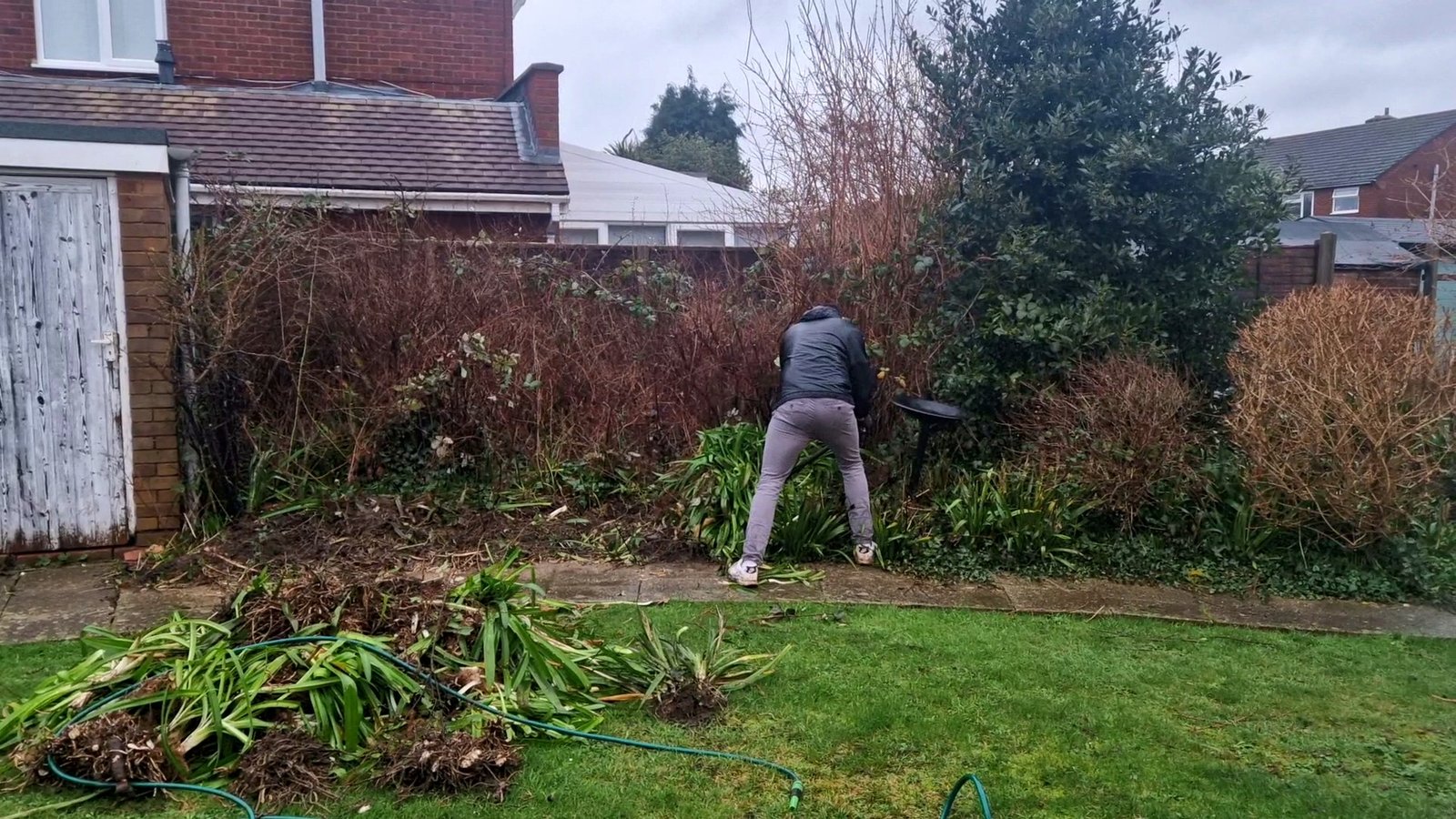
At first glance, the garden looked established.
Mature planting filled the borders. Trees framed the boundaries. Spring bulbs emerged year after year, carrying on traditions planted long before we arrived.
But as we spent more time exploring the space, another story began to reveal itself.
This was clearly a garden that had once been deeply loved.
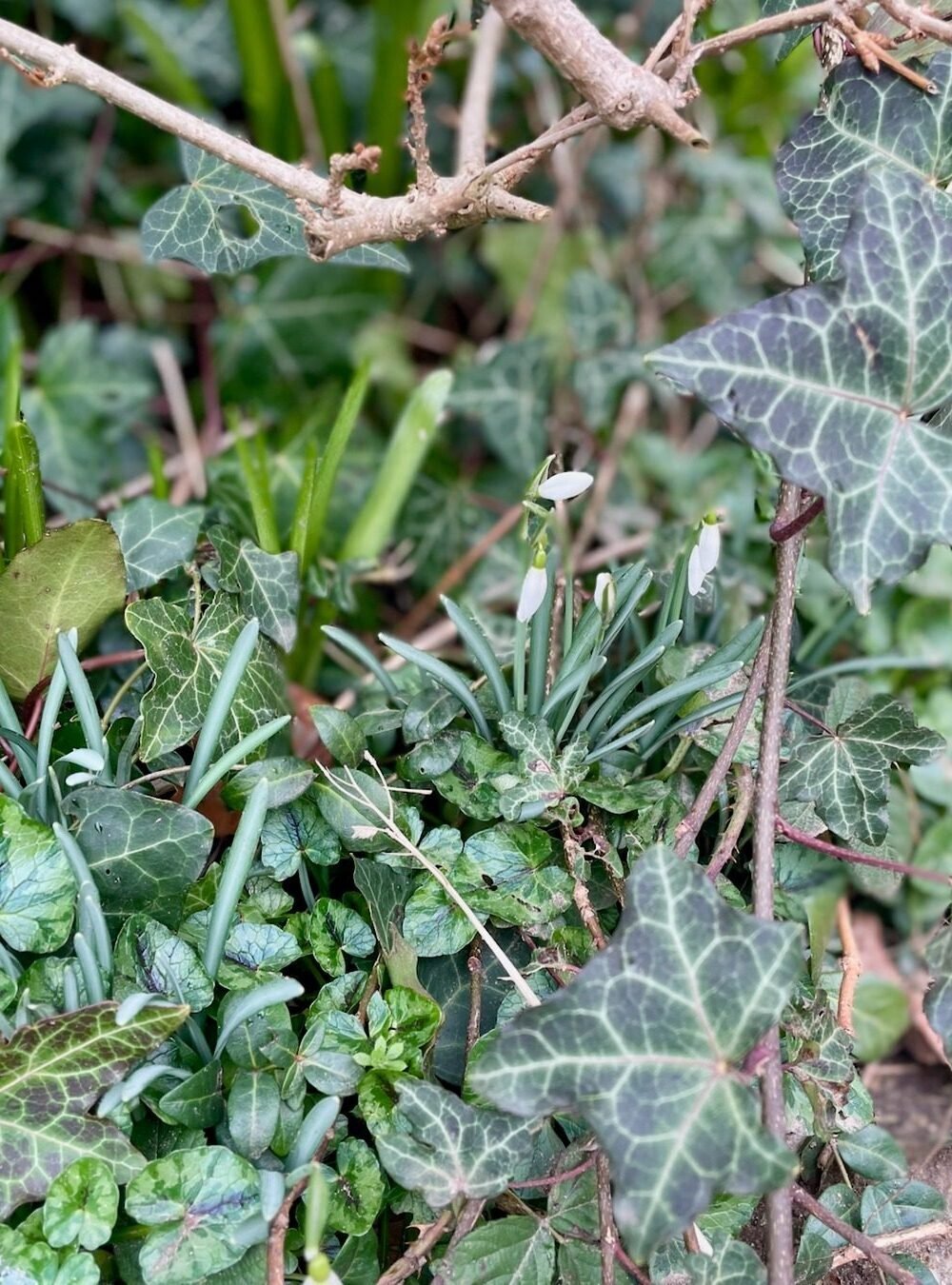
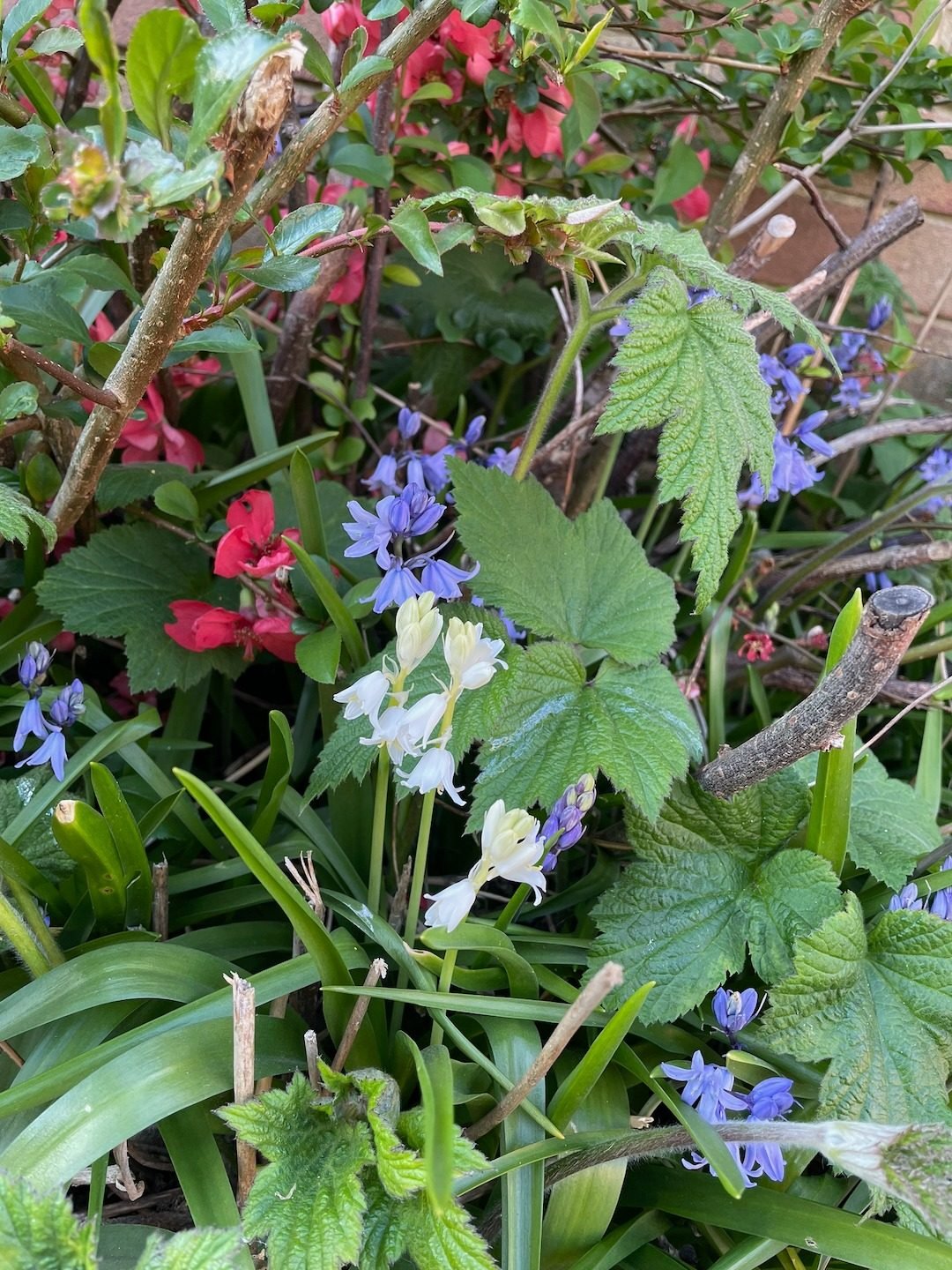
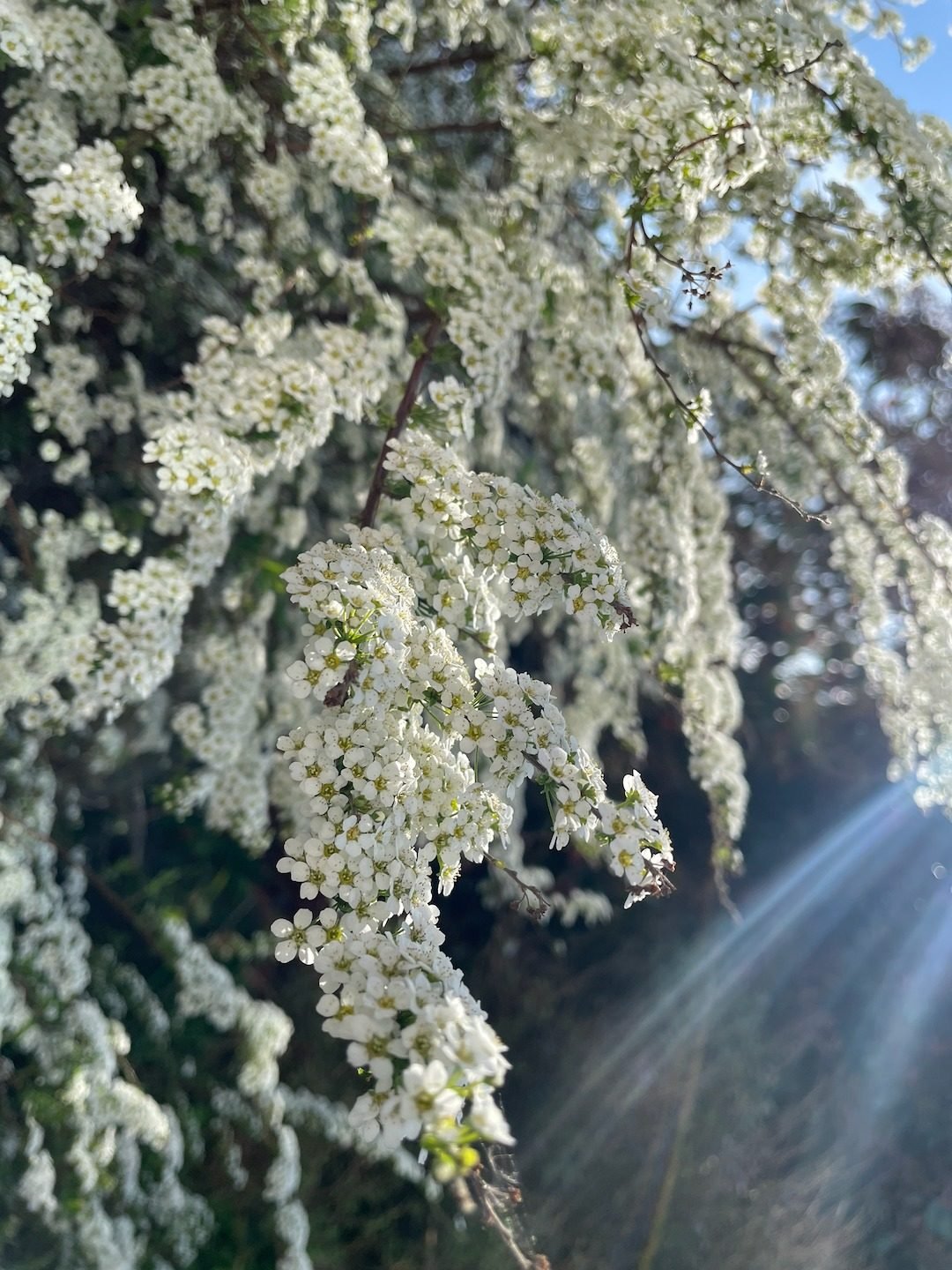
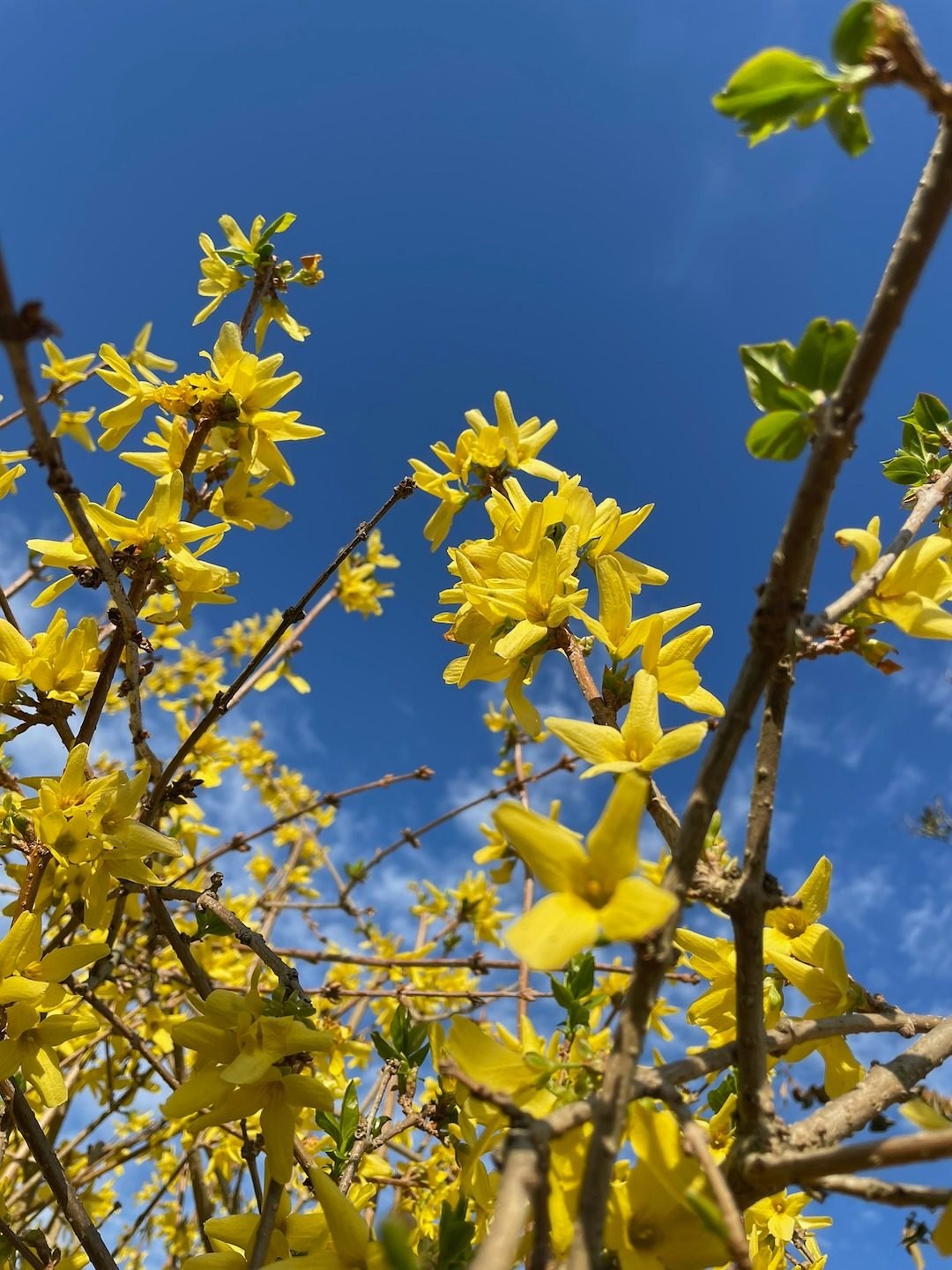
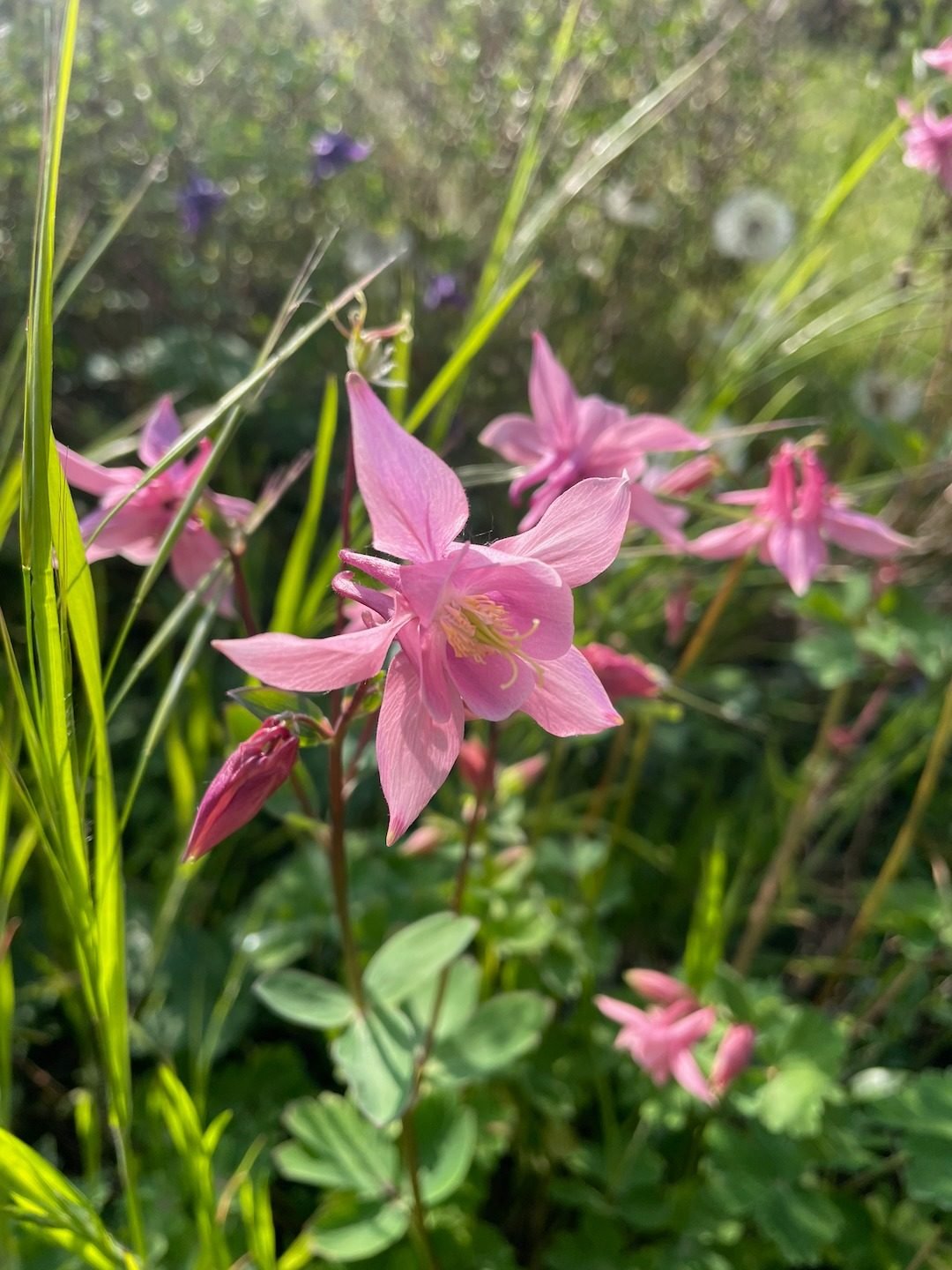
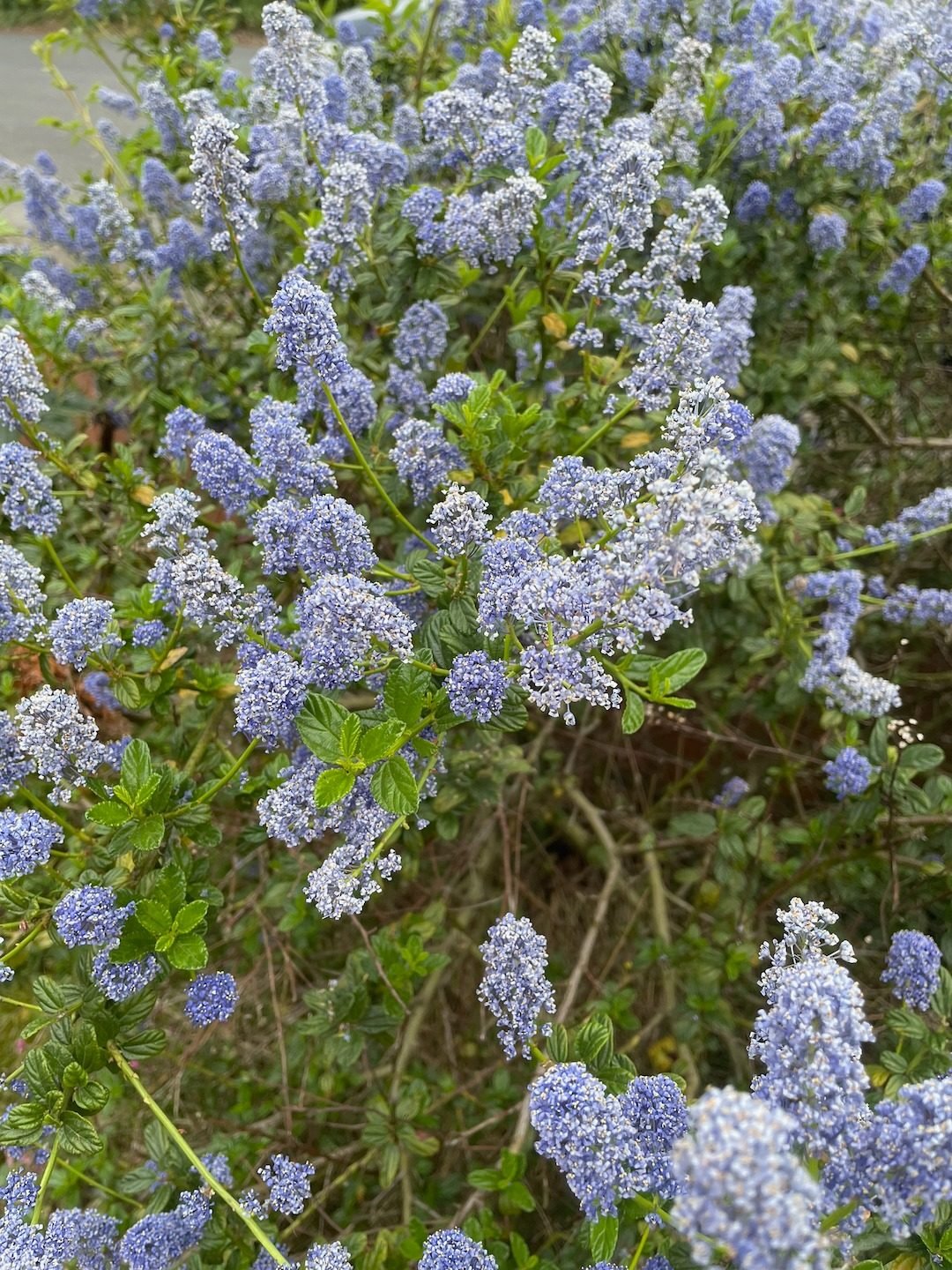
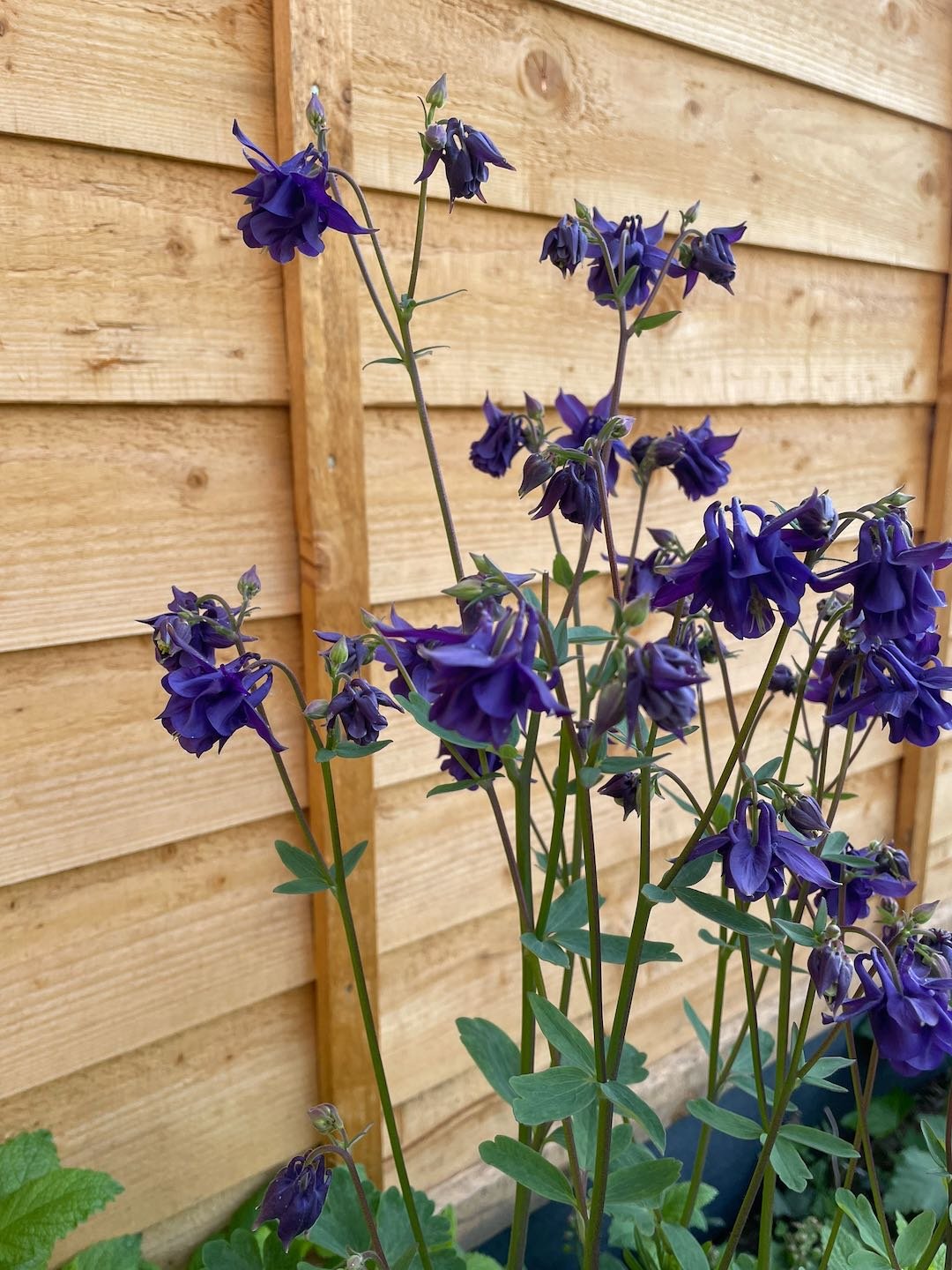
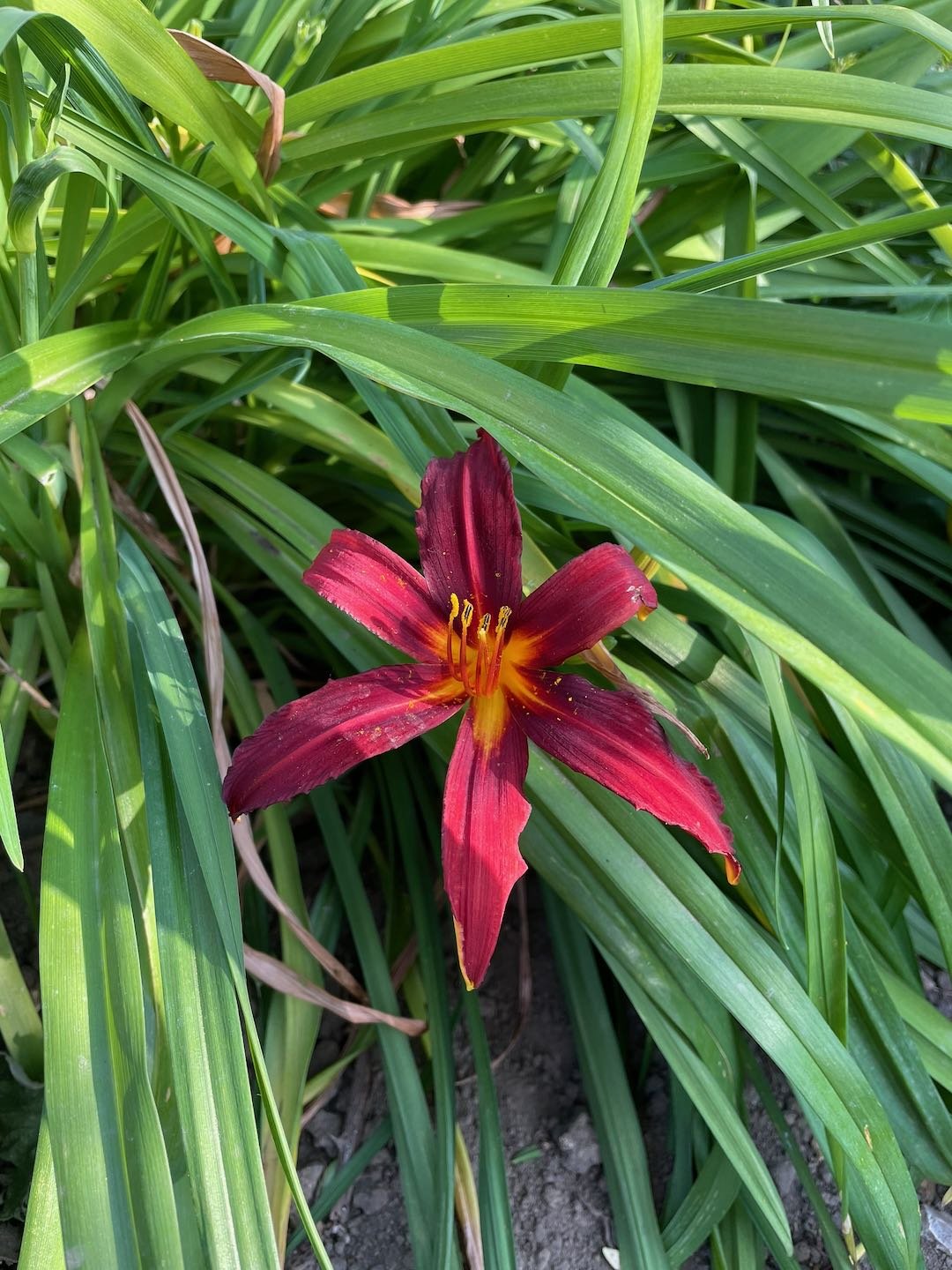
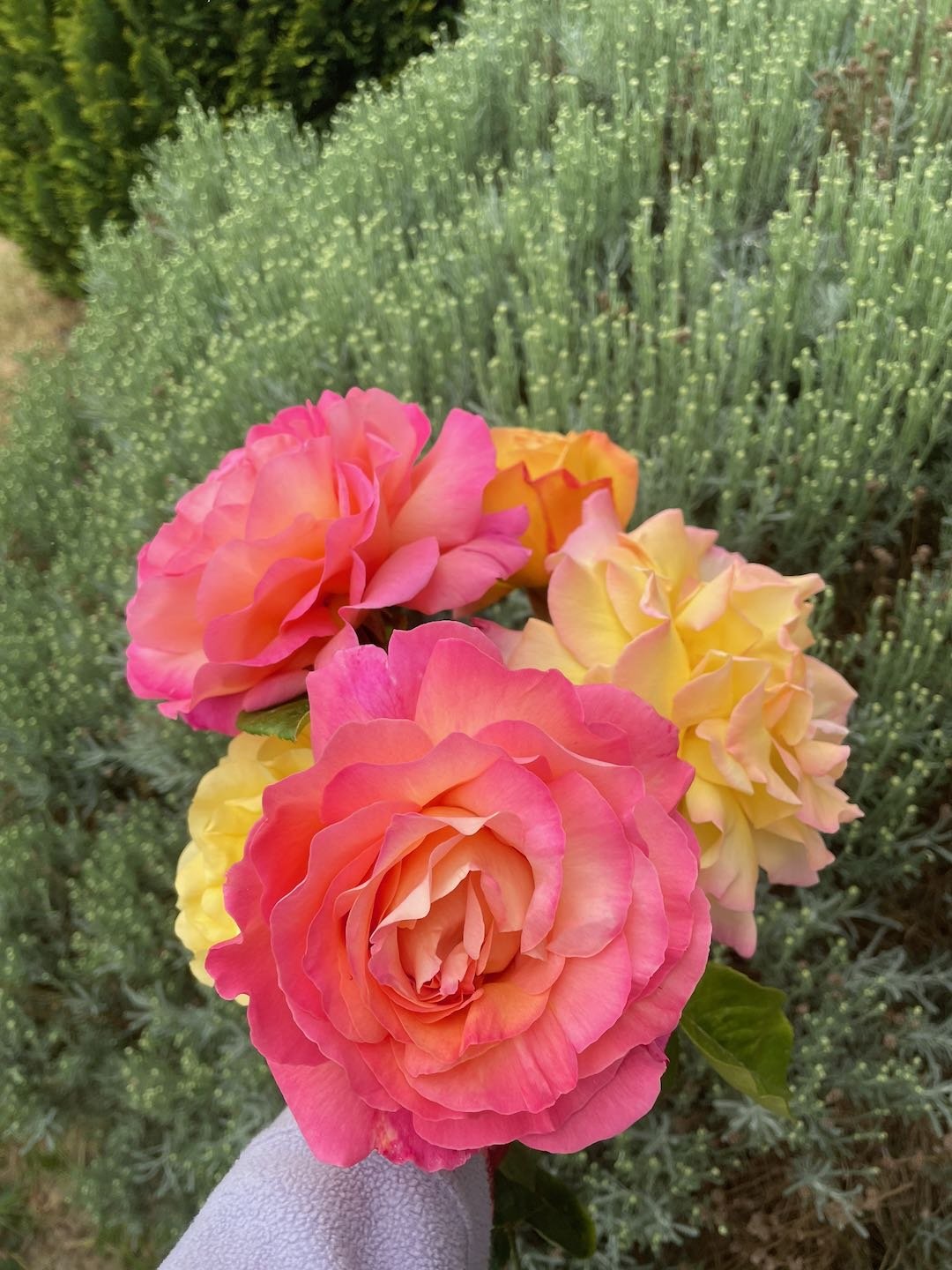
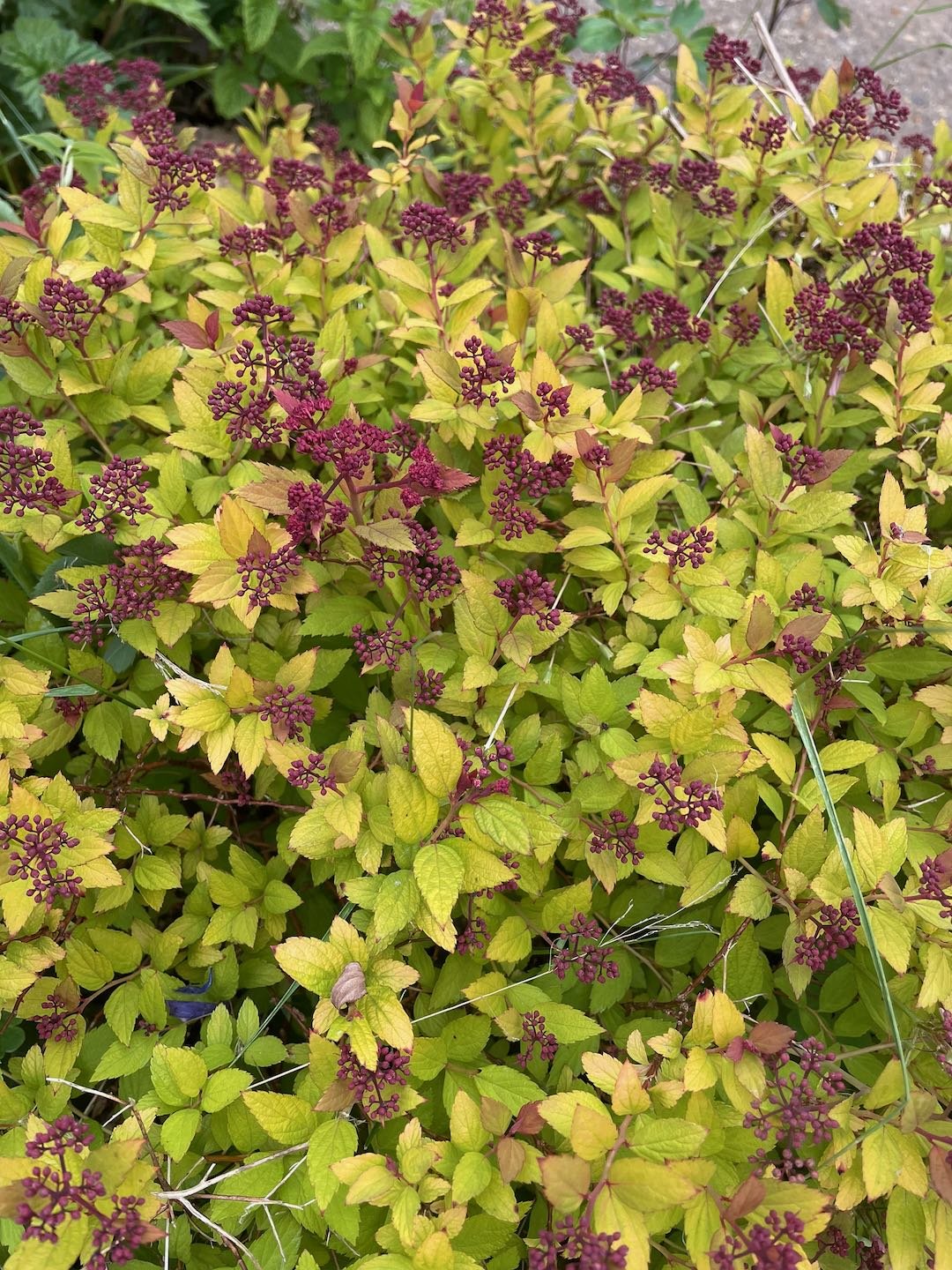
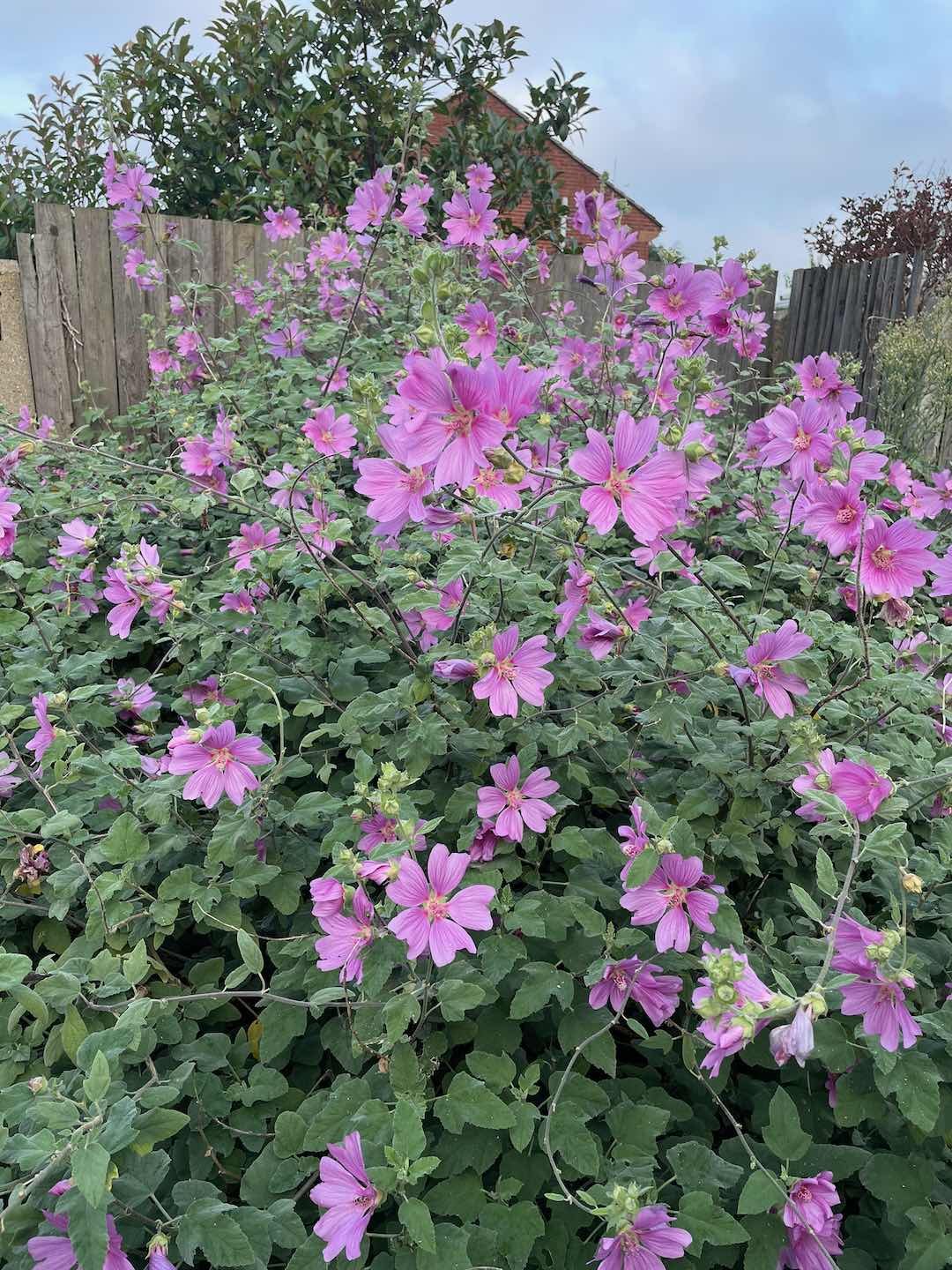
The previous owners had spent years shaping it, planting it and caring for it. Anemones, Spanish bluebells and Neapolitan garlic returned faithfully with the seasons. Shrubs had matured into trees. Borders overflowed with life.
Amongst all the planting, one flower felt unexpectedly familiar.
Agapanthus.
Long before we arrived in Surrey, we had known them growing in South Africa. They were part of the landscapes we had left behind and, somehow, part of the garden we had arrived to.
Perhaps that is why we saw them differently. Not simply as another plant, but as a small connection between two places we now called home.
In a strange way, they felt as though they had been waiting for us.
A reminder that whilst this garden belonged to somebody else’s story, parts of it already felt familiar.
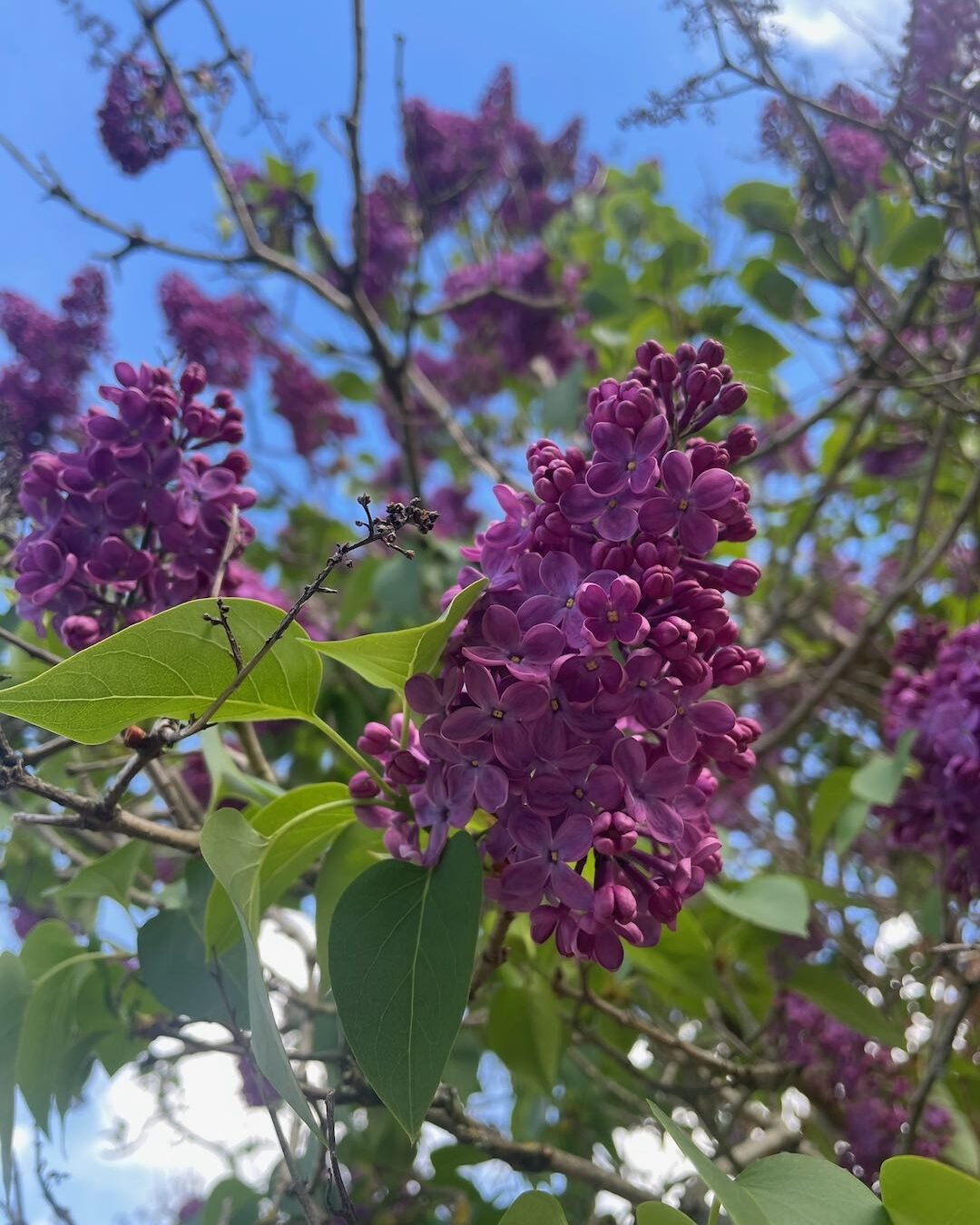
Yet time changes all things.
As people grow older, gardens often become a reflection of what is physically possible rather than what is imagined. Heavy maintenance becomes harder. Pruning gets delayed. Weeding becomes less frequent. Gradually, nature begins to take back the space.
By the time we arrived, much of the back section had become almost impenetrable. Dense planting had formed a tangled layer across the ground. Brambles threaded through the borders. Ivy climbed wherever it could find support. Old tree stumps remained hidden beneath the growth, while a forgotten concrete compost structure sat buried amongst the vegetation.
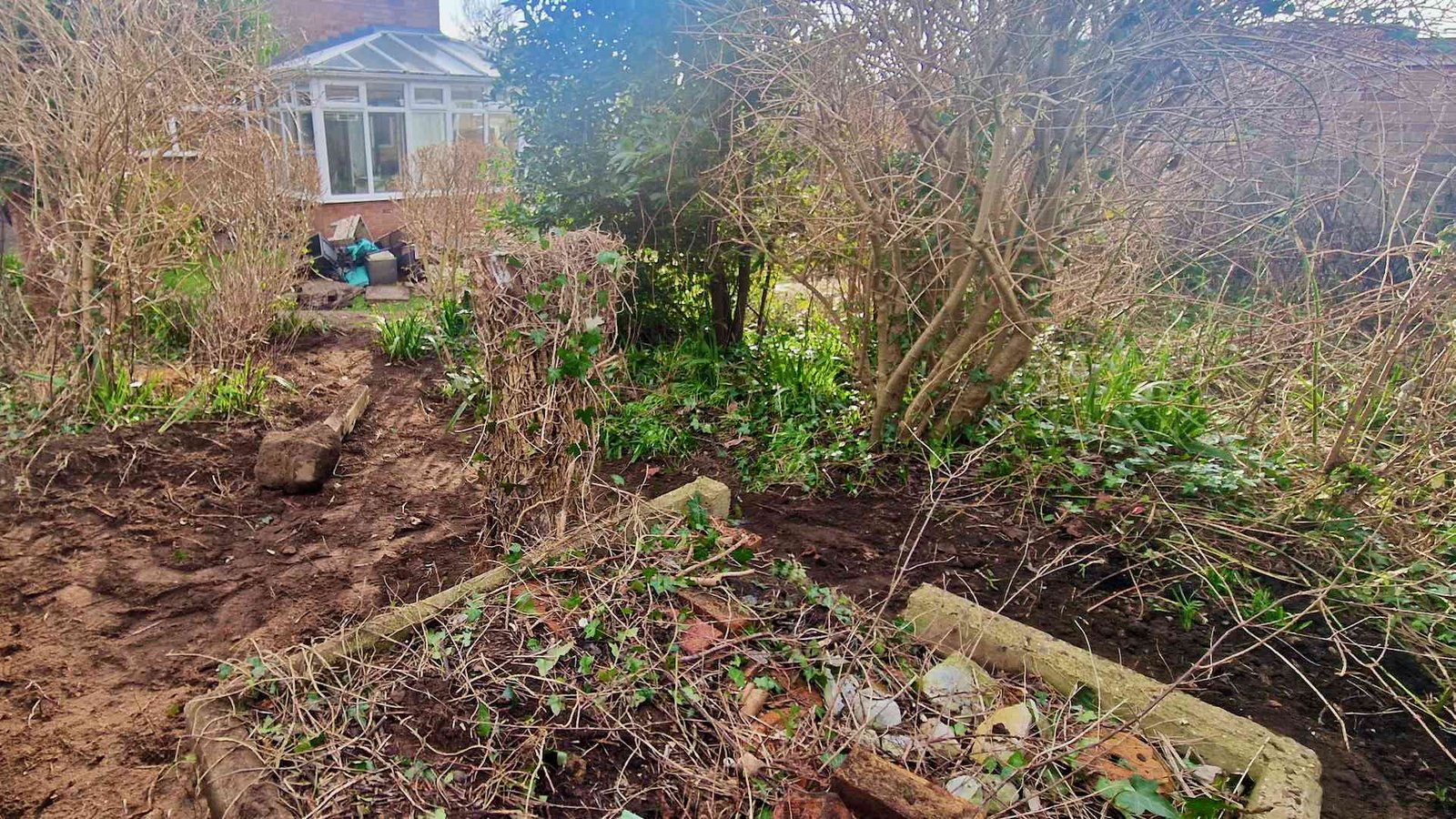
As we cleared further, we uncovered years of accumulated garden history. Old tyres. Wire fencing. Broken pots. Assorted garden materials. Even the occasional item of clothing that had somehow become part of the landscape.
Beneath it all, however, was something worth saving.
Not necessarily the garden as it existed, but the intention behind it.
Someone had loved this place once.
Our task was not to erase that story.
It was to begin the next chapter.
Nature Takes Its Turn
The further we worked our way through the garden, the more obvious it became that we were not dealing with a neglected space. We were dealing with a space that had simply been overtaken by time.
The bones of the garden were still there. Hidden pathways emerged beneath layers of growth. Established shrubs hinted at long-forgotten planting plans. Spring bulbs appeared in unexpected places, quietly returning each year despite everything that had grown around them.
In many ways, the garden had continued gardening itself.
Nature had stepped in where people no longer could.
That thought stayed with us throughout the clearance because, whilst the overgrowth presented a challenge, it also carried evidence of years of care and effort. Every mature shrub had once been planted by hand. Every bulb had once been chosen and placed with intention. Every corner of the garden reflected decisions made years before we arrived.
It became increasingly clear that our role was not simply to clear space.
It was to understand it.
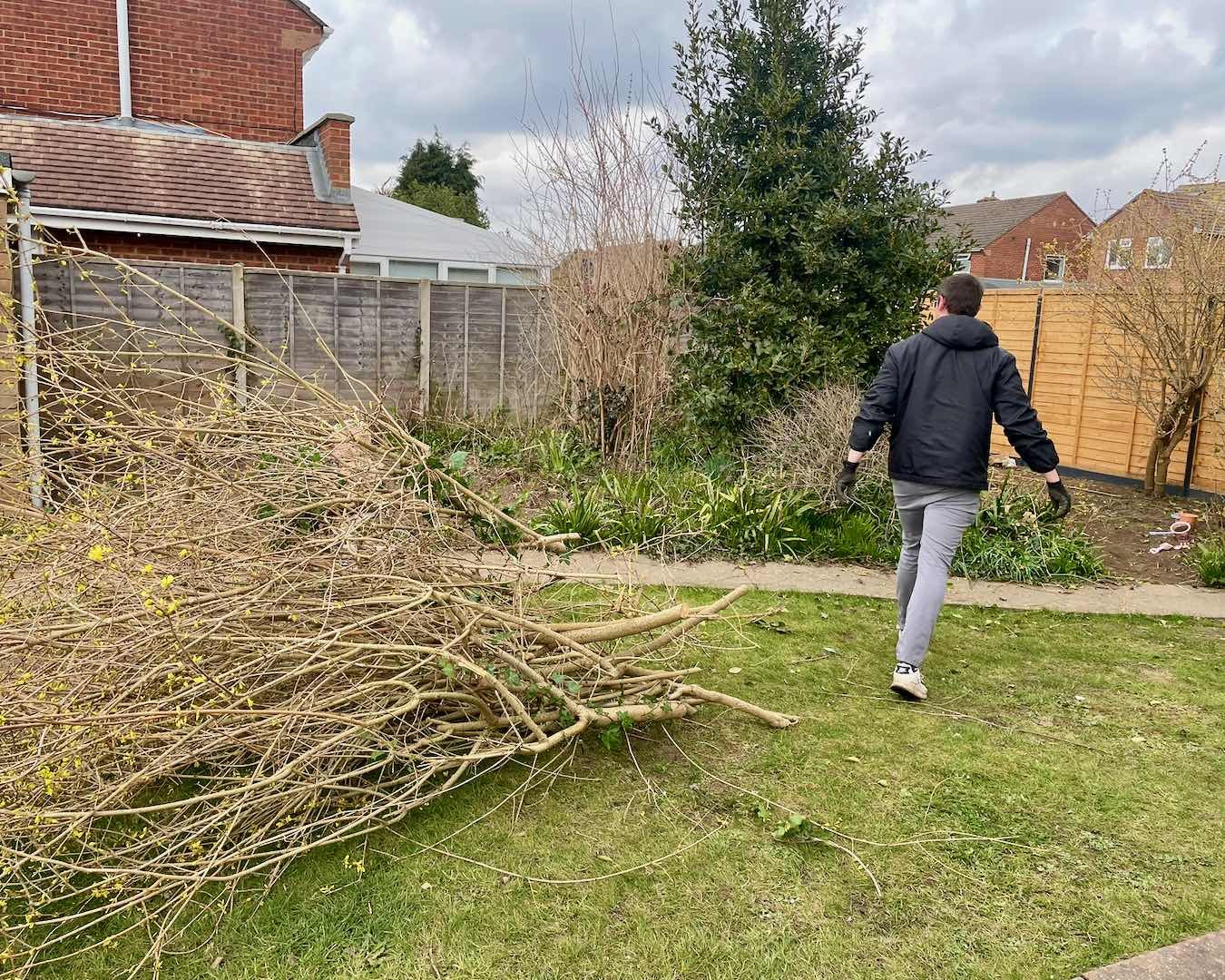
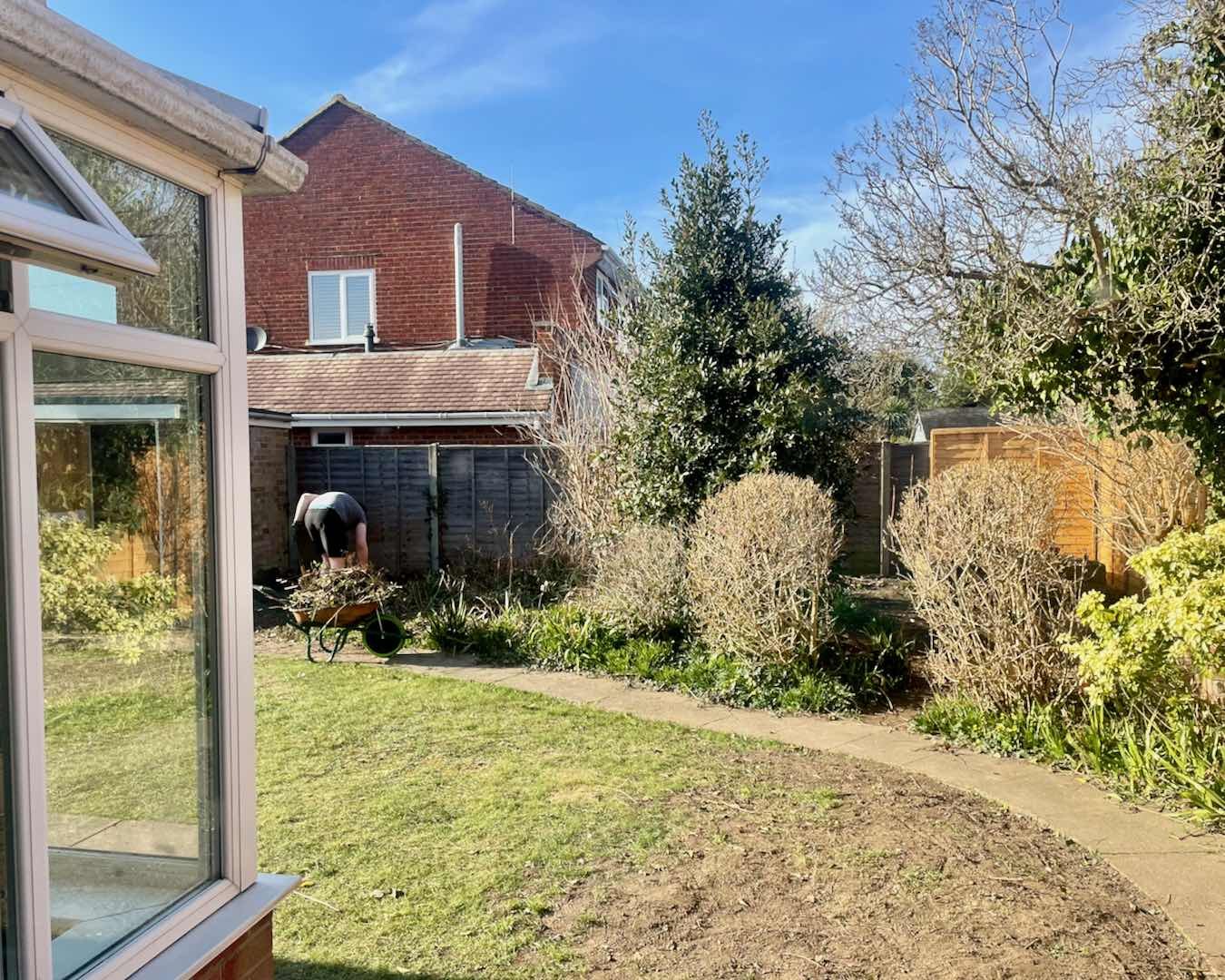
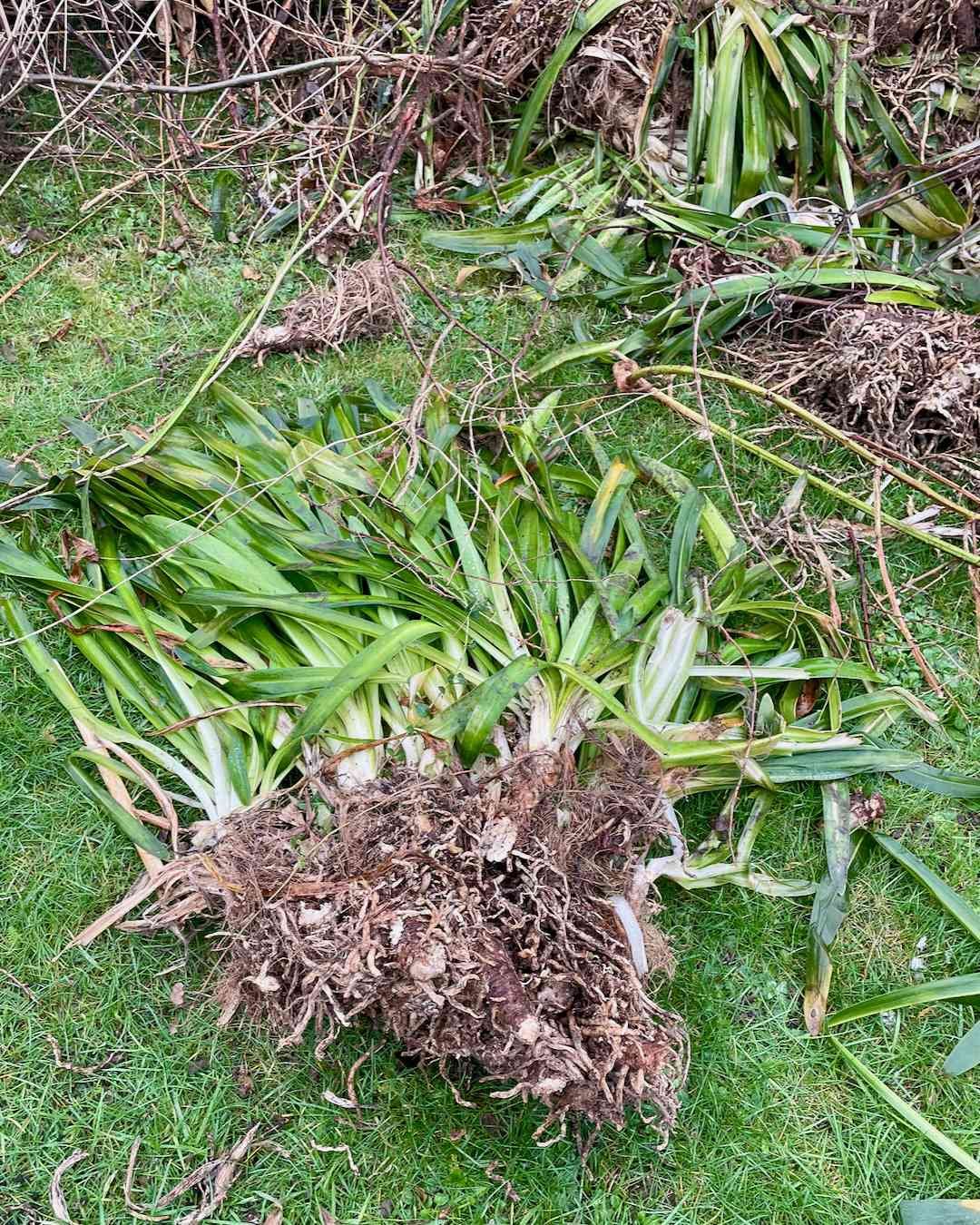
Agapanthus Clumps Removed During Garden Clearance
Some of the established Agapanthus had formed enormous root masses beneath the surface, making them one of the biggest clearance challenges in the garden.
Some of the largest challenges came from established Agapanthus that had spent years expanding beneath the soil. What appeared above ground was often only a small indication of the root mass below.
Progress felt slow. Hours of work could produce only a small visible improvement. Yet with every wheelbarrow load removed, the garden opened a little further. Light reached areas that had been shaded for years. Hidden corners became visible and the true scale of the garden slowly began to emerge.
Uncovering What Was Left Behind
One of the most surprising aspects of the project was not the planting. It was what lay beneath it.
As vegetation was removed, hidden objects began to appear. First a broken pot. Then a length of wire fencing. Before long we were uncovering tyres, old timber and pieces of garden infrastructure that had likely not seen daylight for years.
At times it felt less like gardening and more like archaeology.
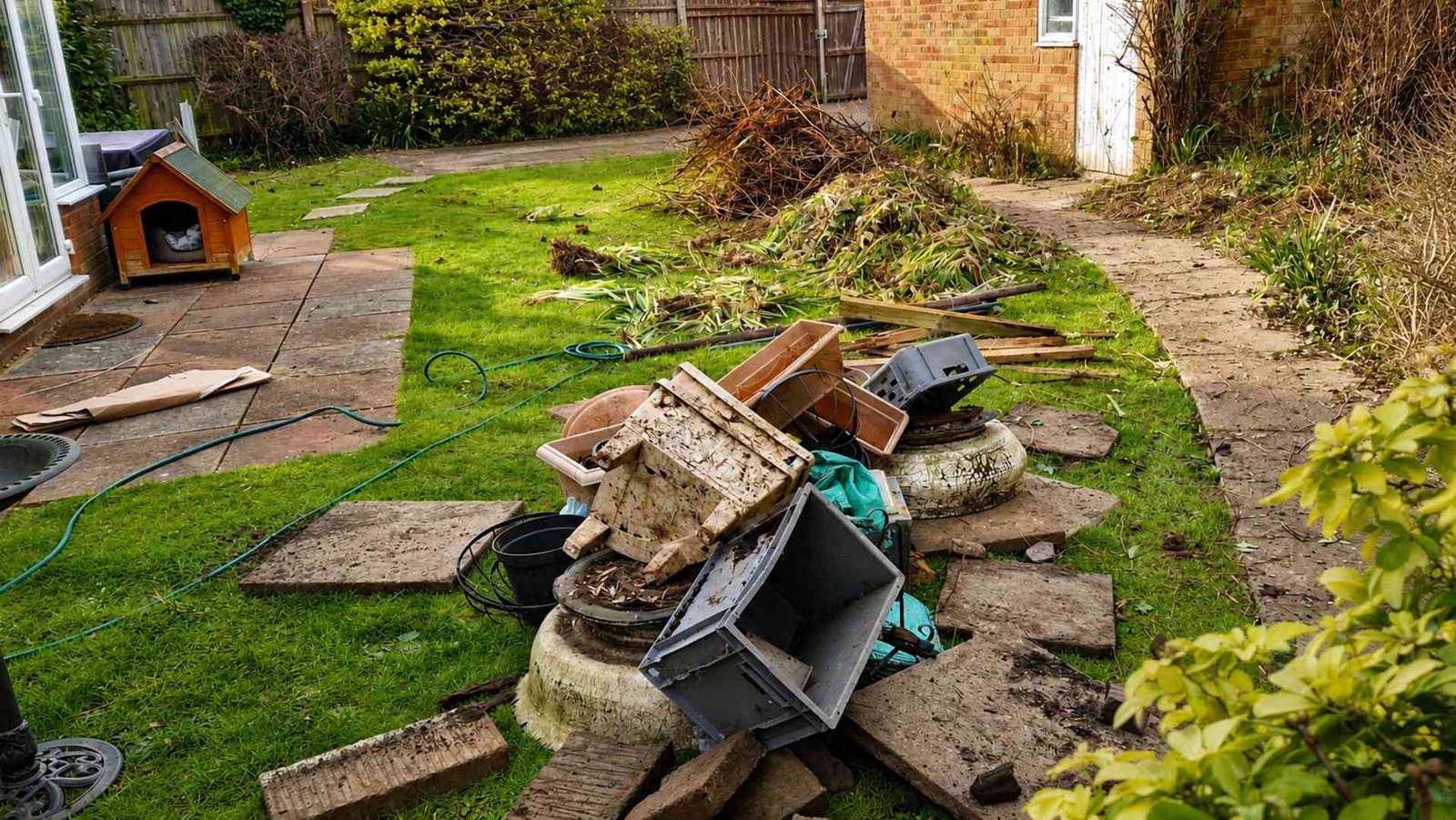
Each discovery offered another glimpse into the life of the garden before us. Some objects made sense. Others raised more questions than answers. How long had they been there? What purpose had they once served? And how had they disappeared beneath so much growth?
Yet despite the clutter, the story never felt negative.
If anything, these discoveries reinforced what we had already suspected.
This was a garden that had been used.
Lived in.
Worked on.
Enjoyed.
Over time, maintenance had become harder and nature had gradually reclaimed the space. But the evidence of a well-loved garden remained everywhere we looked.
By the end of the clearance, much of what we had inherited had disappeared. The overgrowth was gone. The hidden structures had been exposed. The accumulated debris had been removed.
For the first time, we could begin to see the garden itself.
Not as it had become.
But as it might become.
Standing in the cleared garden for the first time, we realised we were not looking at a finished project.
We were looking at possibility.
A lawn.
New planting.
Space for family life.
Space for children to play.
Space to grow.
The garden we inherited had given us its history.
Now it was time to begin creating our own.
Reporting from the dust,
xo Lois
Project Resources
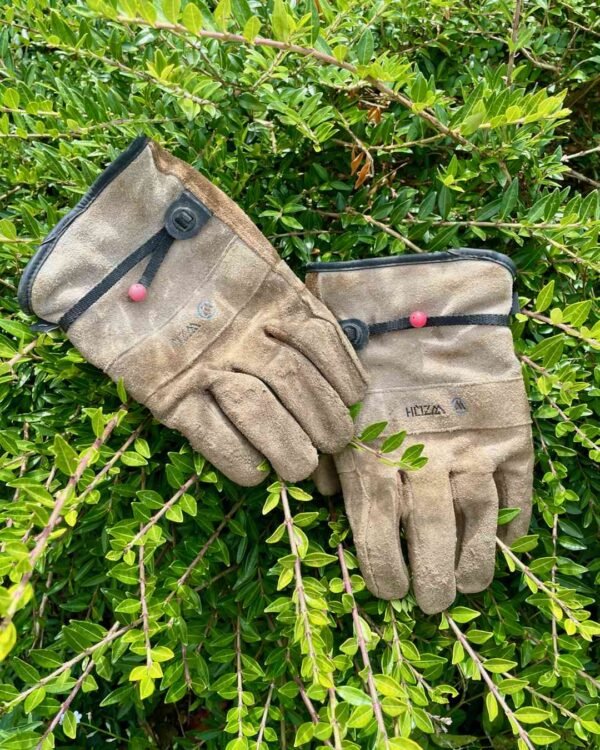
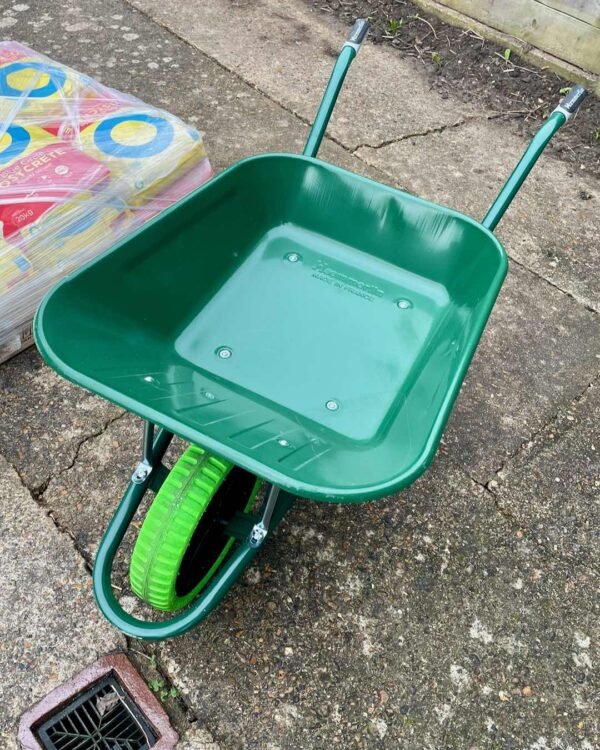
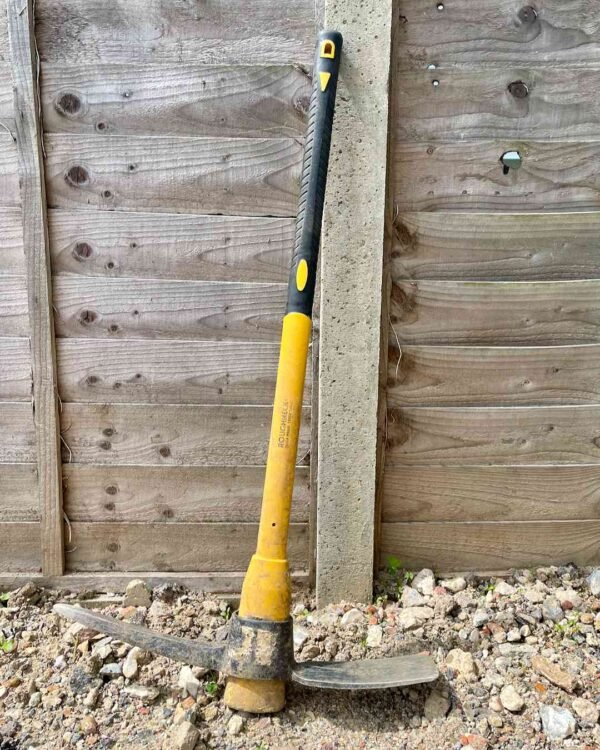
Every project leaves behind a list of tools that become part of the memory.
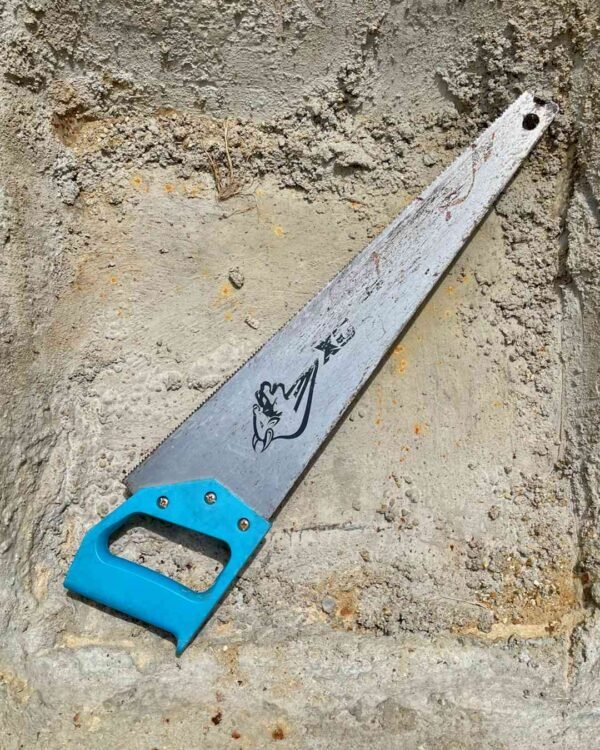
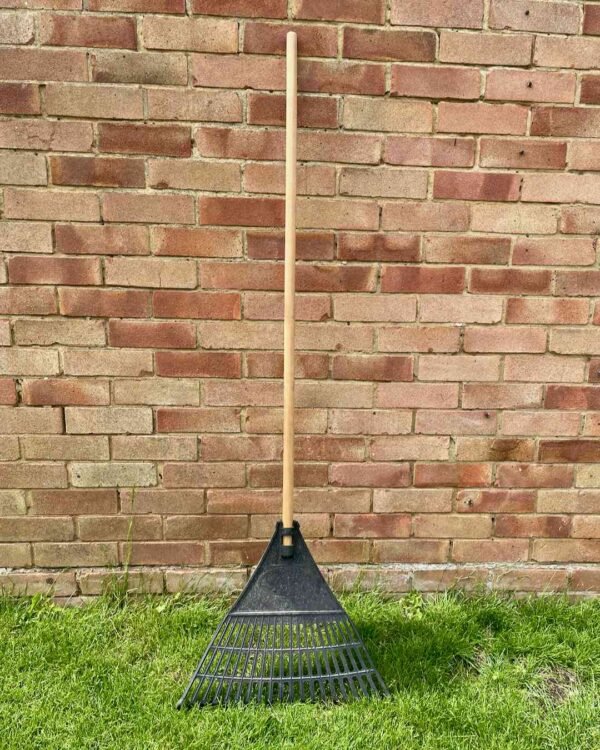
These are some of the products we used during the early garden clearance, from tackling overgrown planting and hidden debris to uncovering the structure of the garden beneath. If you’re facing a similar garden restoration project, you may find some of them useful too.
The transformation started long before new planting, fresh turf or finished borders. It started here, with pruning, digging, clearing and a lot of persistence.
Affiliate Disclosure: This post may contain affiliate links. If you purchase through these links, we may earn a small commission at no additional cost to you. We only share products and tools we genuinely use throughout our renovation journey.